
Instant lawn
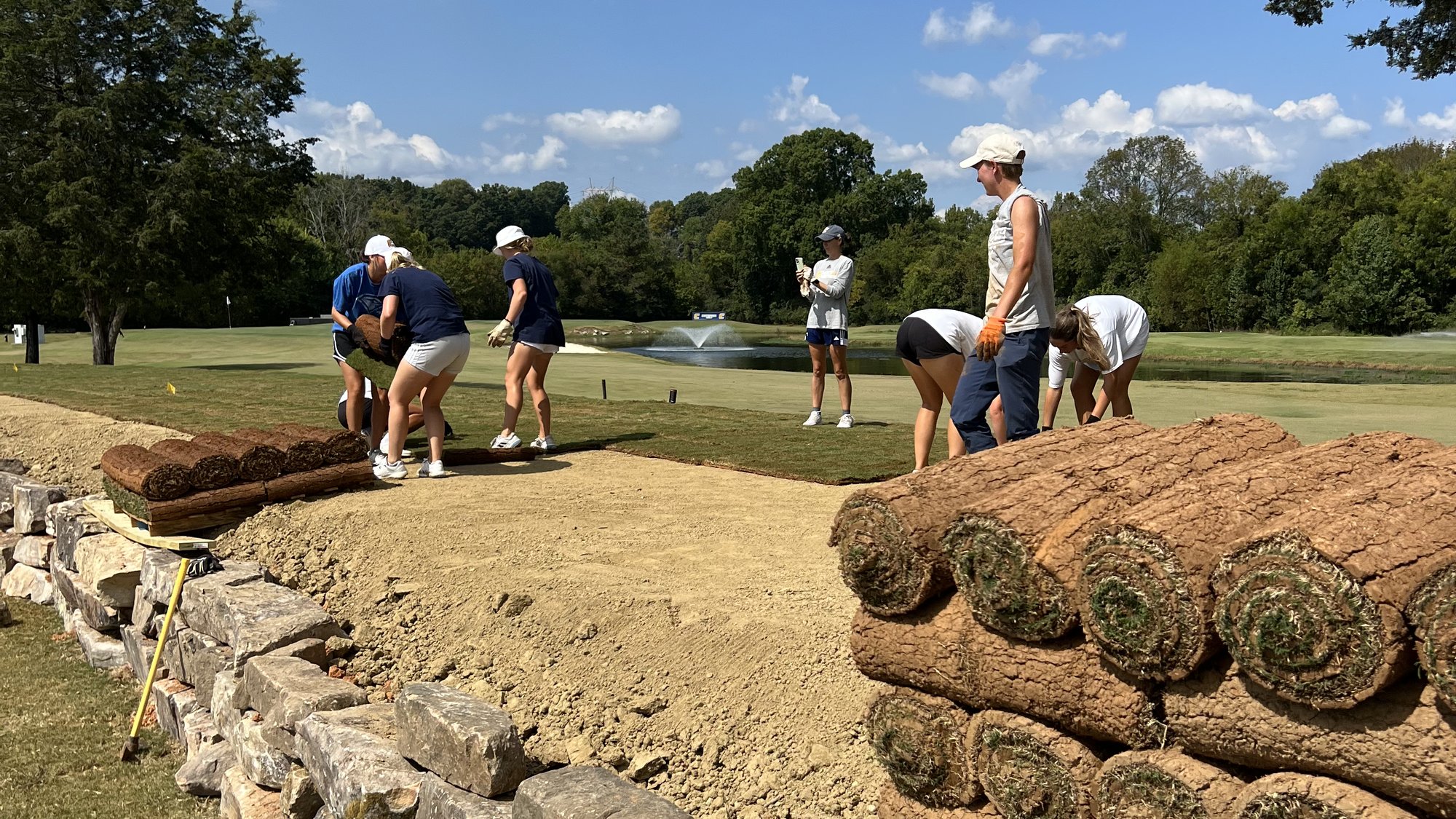
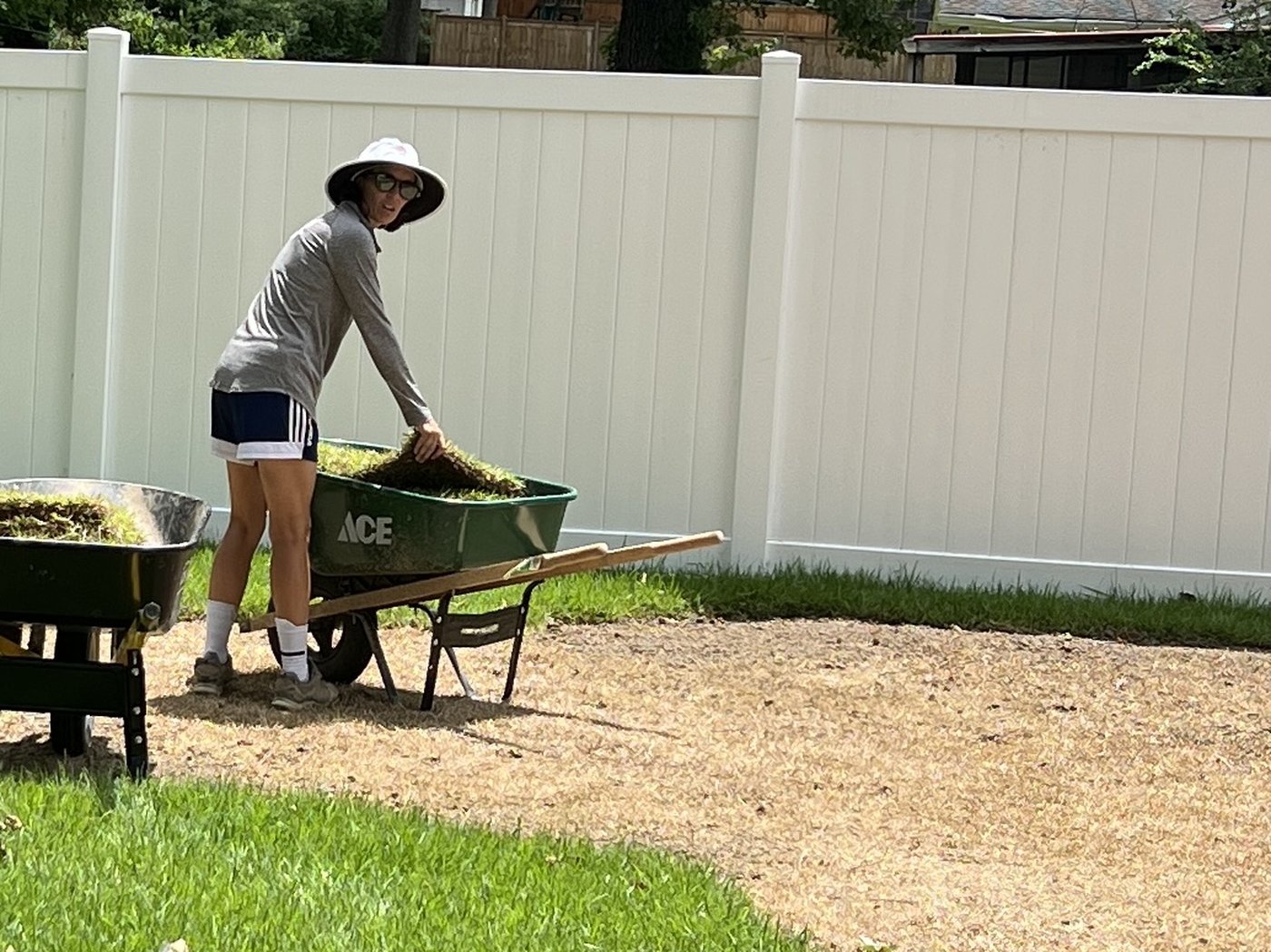
Grade, prep, and lay fresh sod in any variety that will thrive on your lot. You walk out on green the same day we finish.
Turf & Stone
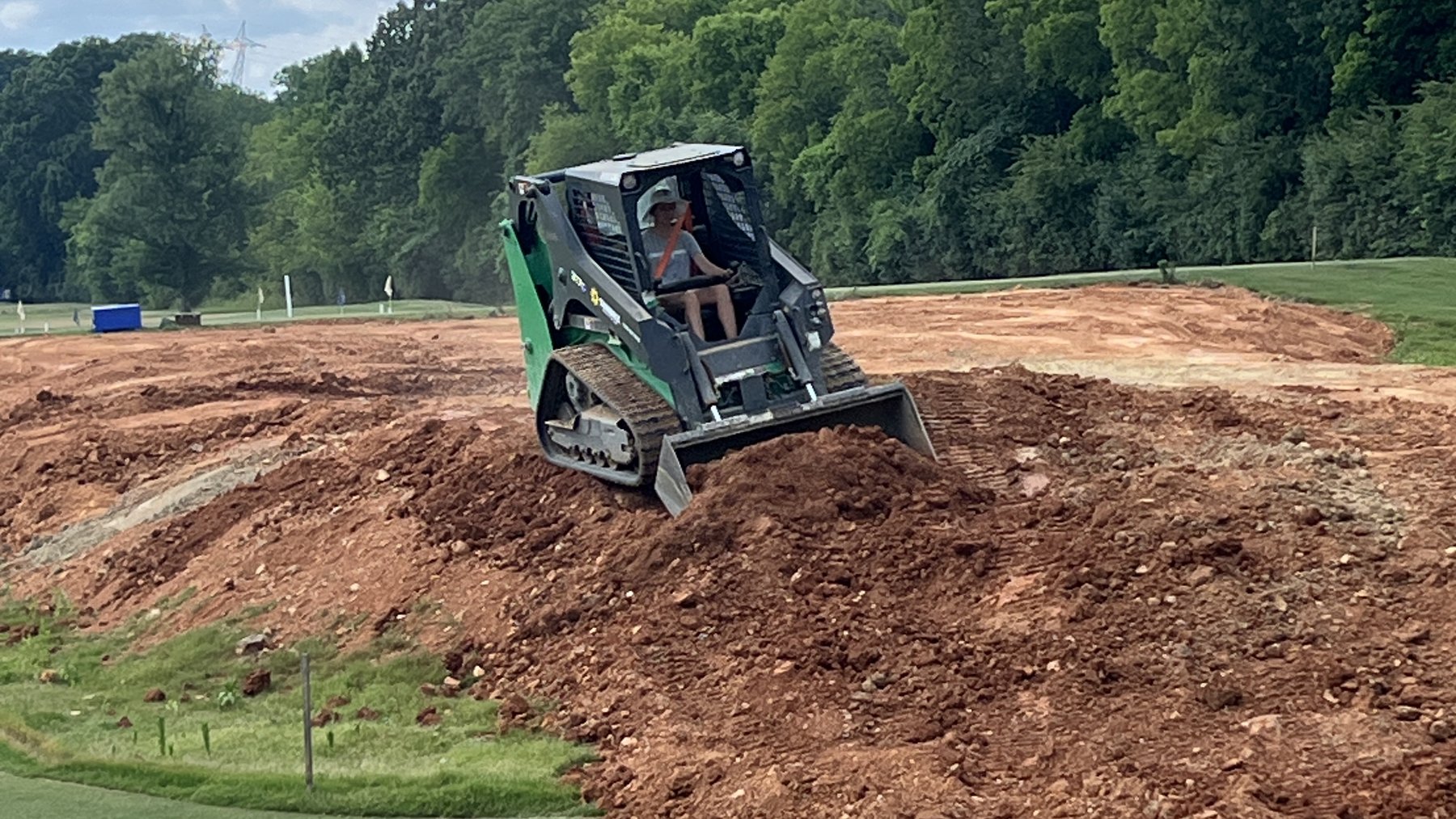
Thirty years keeping golf course turf alive, and a second craft in stone. New lawns, tired ones brought back, and the rock walls and beds that frame them.

What sets us apart
A yard that needs work usually needs four different trucks. Somebody to lay the sod, somebody for the chemicals, somebody to fix the drainage, somebody to build the beds. When it does not take, each one points at the other three.
We do all of it. The whole yard is one crew's problem, and one person's name is on it.

We hold a quarter-acre lot to the standard of a private golf course, because that is where we learned it.
The one thing we do not do is tree work. For that you want an arborist, and we will tell you so rather than have a go at it.
Why we named it that
Grass is the only surface in your yard that works for a living. Here is the short version of what it's doing out there.
On a hot afternoon, asphalt and artificial turf get punishing to stand on. Living grass stays close to air temperature, the difference between a yard and a parking lot.
A dense, deep-rooted lawn slows runoff and holds soil in place. Thin grass sends your topsoil and your fertilizer straight down the driveway.
A yard people actually want to be in is more usable space than most additions buy you, for a fraction of the money. That's the whole reason we do this.
Turf services
Most crews do one piece of this. We do the whole lifecycle, which means we're not talking you into sod when your grass just needs feeding.
Grade, prep, and lay fresh sod in any variety that will thrive on your lot. You walk out on green the same day we finish.
For large areas and Bermuda in particular, sprigging fills in a full stand for a fraction of solid sod. Slower to look finished, tough as anything once it's in.
Warm-season grass goes dormant and brown when it cools off. Overseeding keeps color on the ground while it sleeps, then transitions back in spring.
Sand or compost worked across the surface to smooth out low spots, break down thatch, and build better soil under the grass you already have.
Pre-emergent, post-emergent and fertility timed to your grass and your soil, across the whole property, with break-outs spot treated in between. See the program.
Thin, weedy, compacted, patchy. Before anyone sells you a new lawn, we'll tell you honestly whether the one you have can be saved, and usually it can.
Cut at the right height for your grass, edged clean, blown off. The single biggest thing separating a good lawn from a great one is consistency.
Heads, zones and full systems, set so the water lands where the grass needs it. Dry corners and soggy spots are usually a coverage problem, not a grass problem.
Shaping, levelling and setting the fall before anything goes down. Sod laid over a bad grade will pond, scald and fail, however good the grass is.
The chemical program
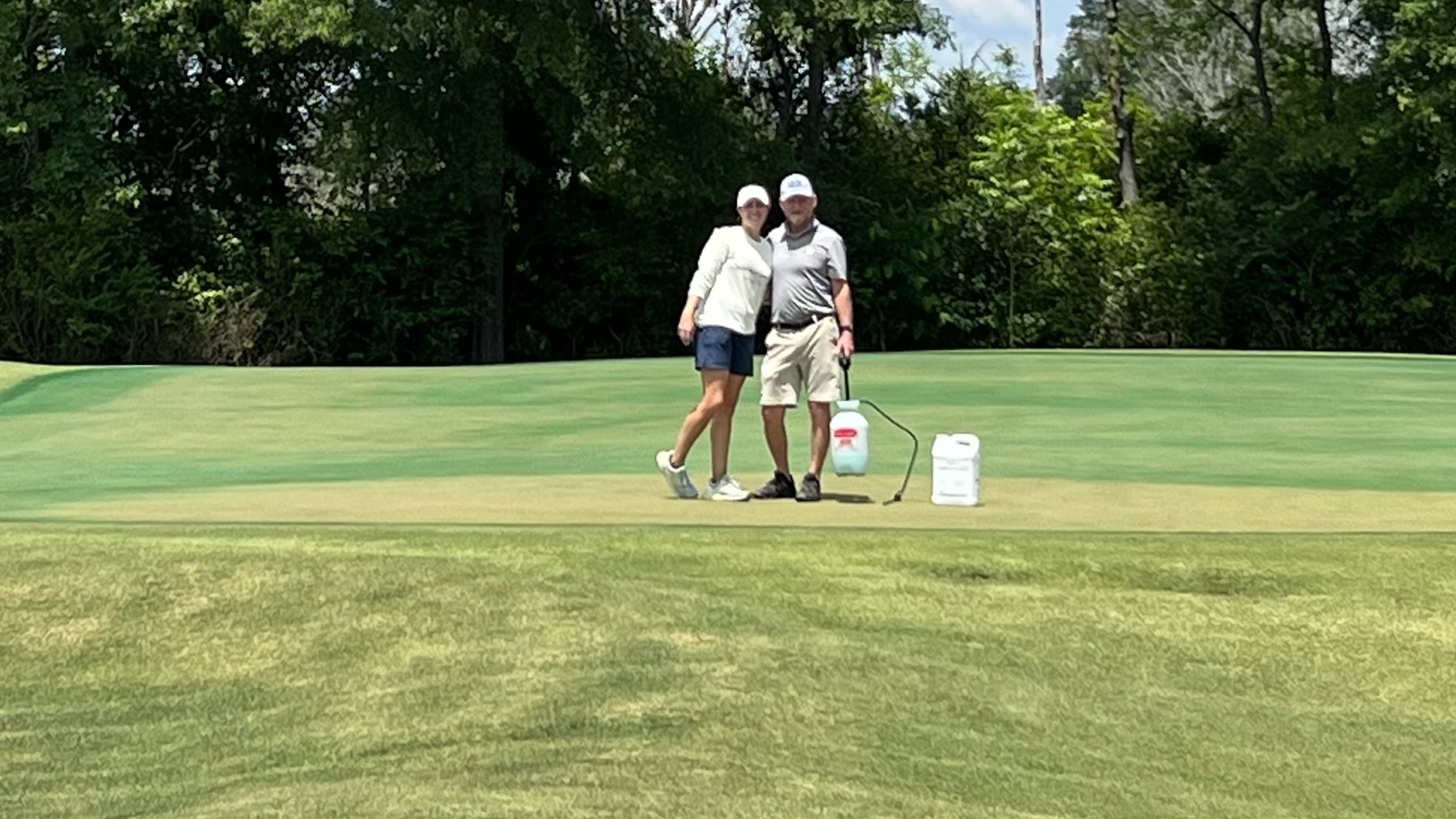
Weeds and feeding are not a one time job, they are a calendar. But the calendar is not the same for every yard. Chip and Colette set the program around what your lawn actually needs: the grass you have, the soil under it, the light it sits in, and the shape it is in when we start.
What the year asks for
Why spend money on your yard just to let the weeds take it over?
Pick your grass
Sun, shade, traffic, and how much you want to fuss with it. That's what picks the grass, not the price tag. Here's the honest rundown.
Bringing a lawn back
Most struggling lawns aren't dead. They're hungry, compacted, and losing a fight with weeds. This is the order we work in, and the order matters.
Soil sample, a look at sun exposure and drainage, and an ID on what's actually growing. Half of lawn problems are soil pH problems wearing a costume.
Targeted weed control and thatch removal. We knock down the competition before we spend a dollar feeding it alongside your grass.
Open the soil up, correct the fertility, dress the surface. This is the visit where the color comes back and the low spots disappear.
Sprig, seed, or patch sod into whatever's still thin. Then it goes on a maintenance schedule so it never slides back.
Before and after
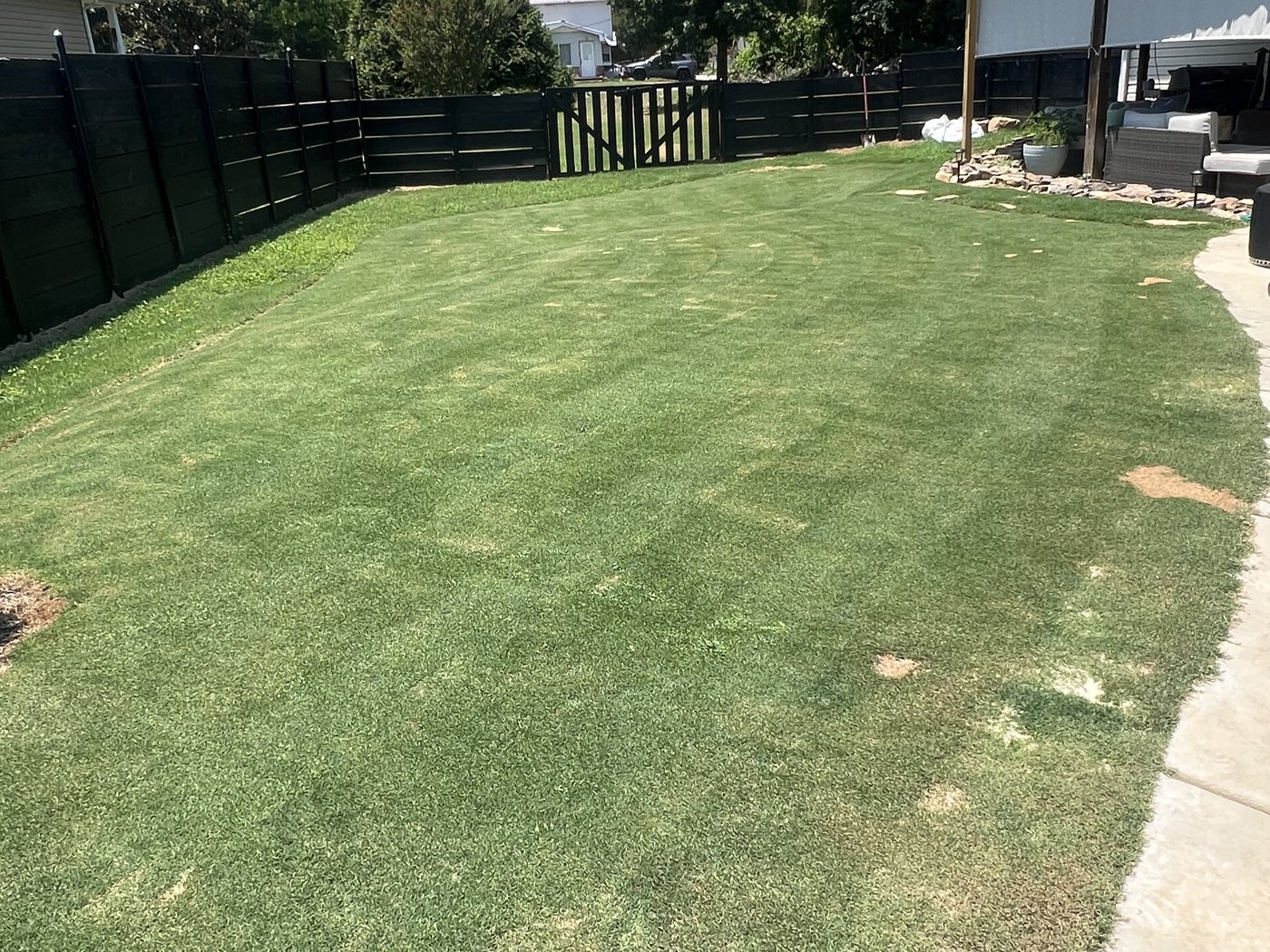
This is a front lawn in Chattanooga that had given up. Thin, browned off, bare in patches, with the soil showing through. Here it is before we started and after the sod went down.
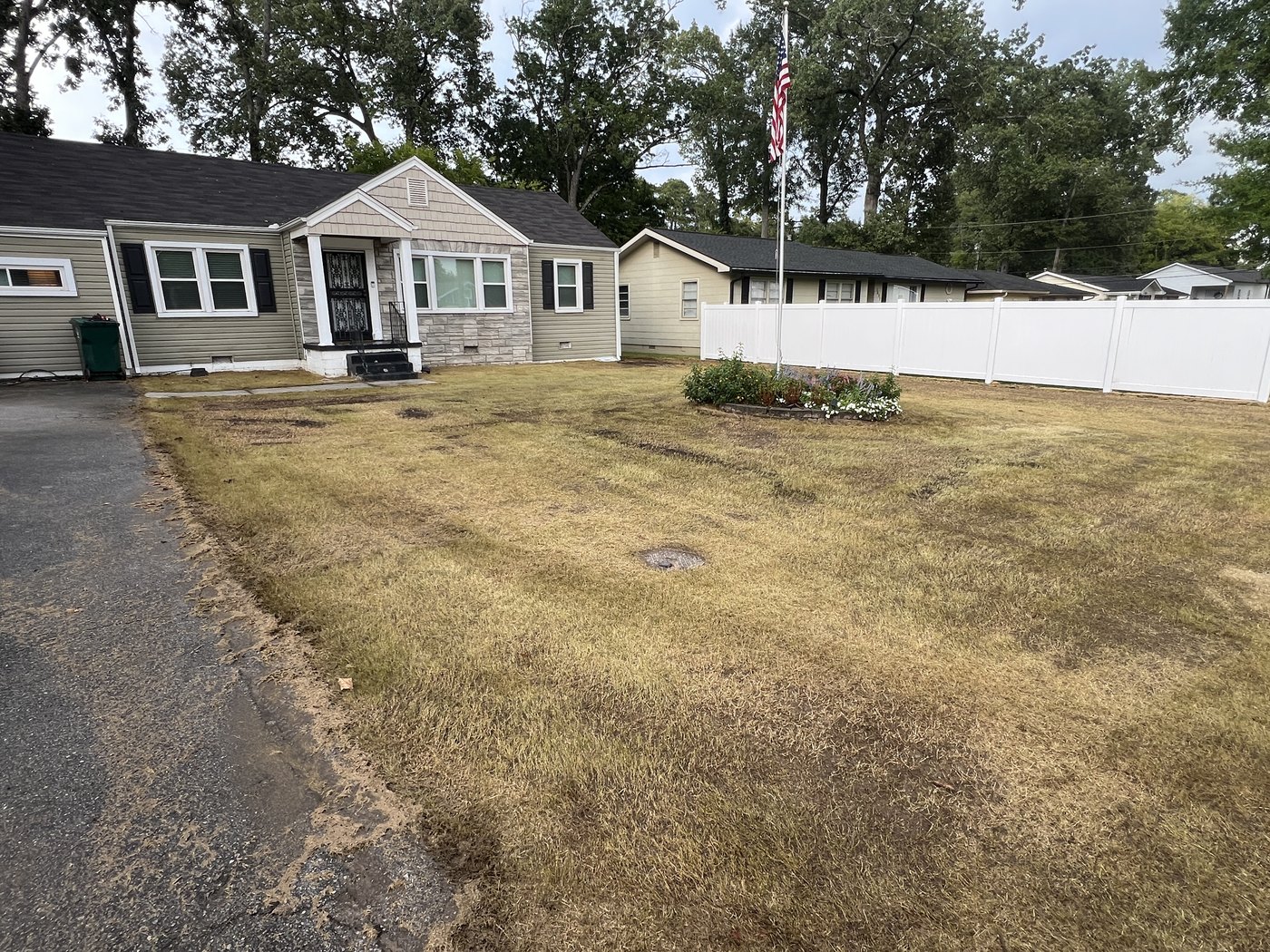 Before
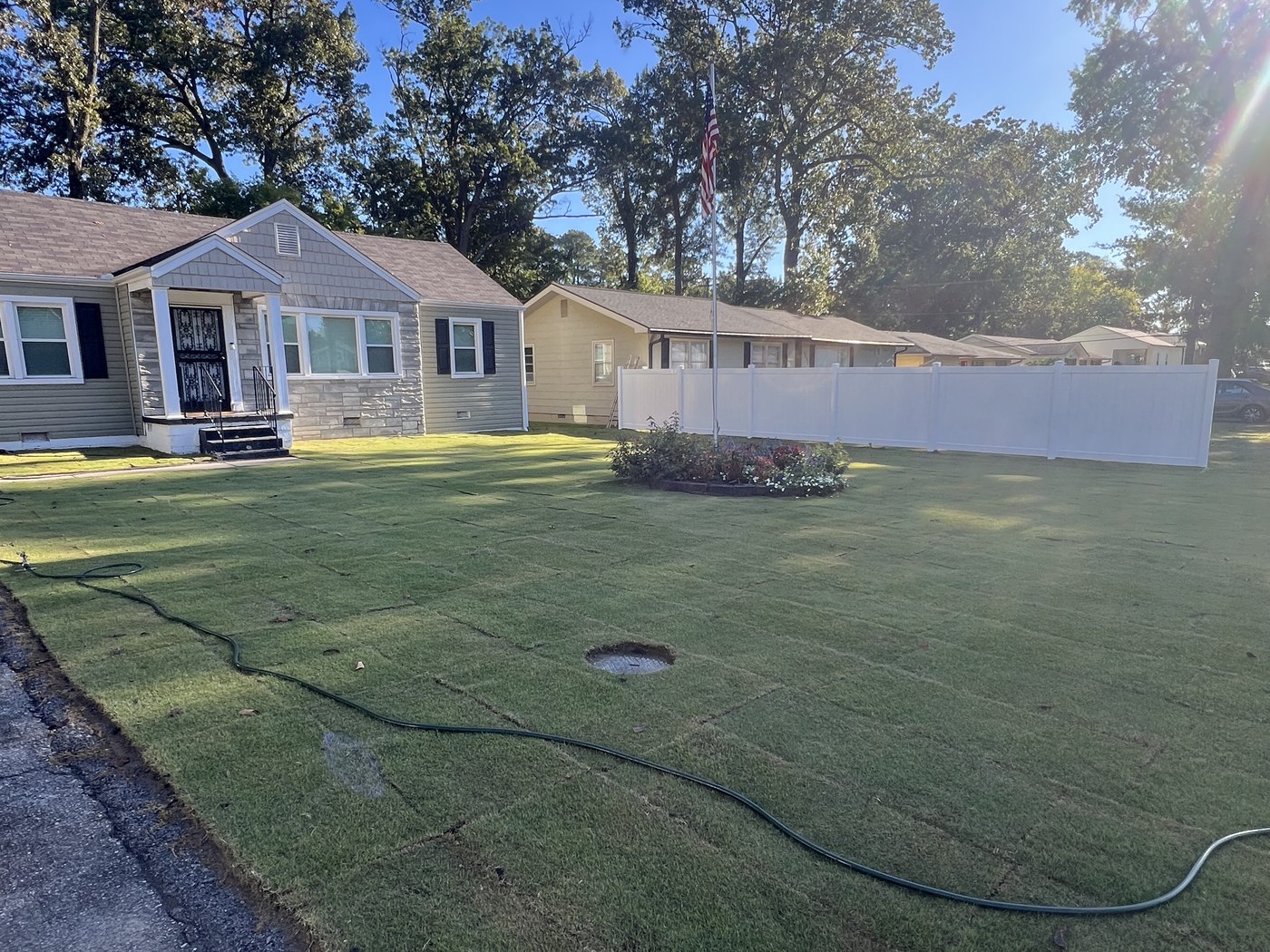 After
Not every lawn needs this. Plenty of tired grass comes back with feeding and weed control alone, and we will tell you which one you have before you spend a dollar on sod.
Stone & hardscape
This isn't a sideline we tacked on. Stone is the other half of what we do, the half that gives a yard its shape. Grass fills the space; the rock work draws the lines.
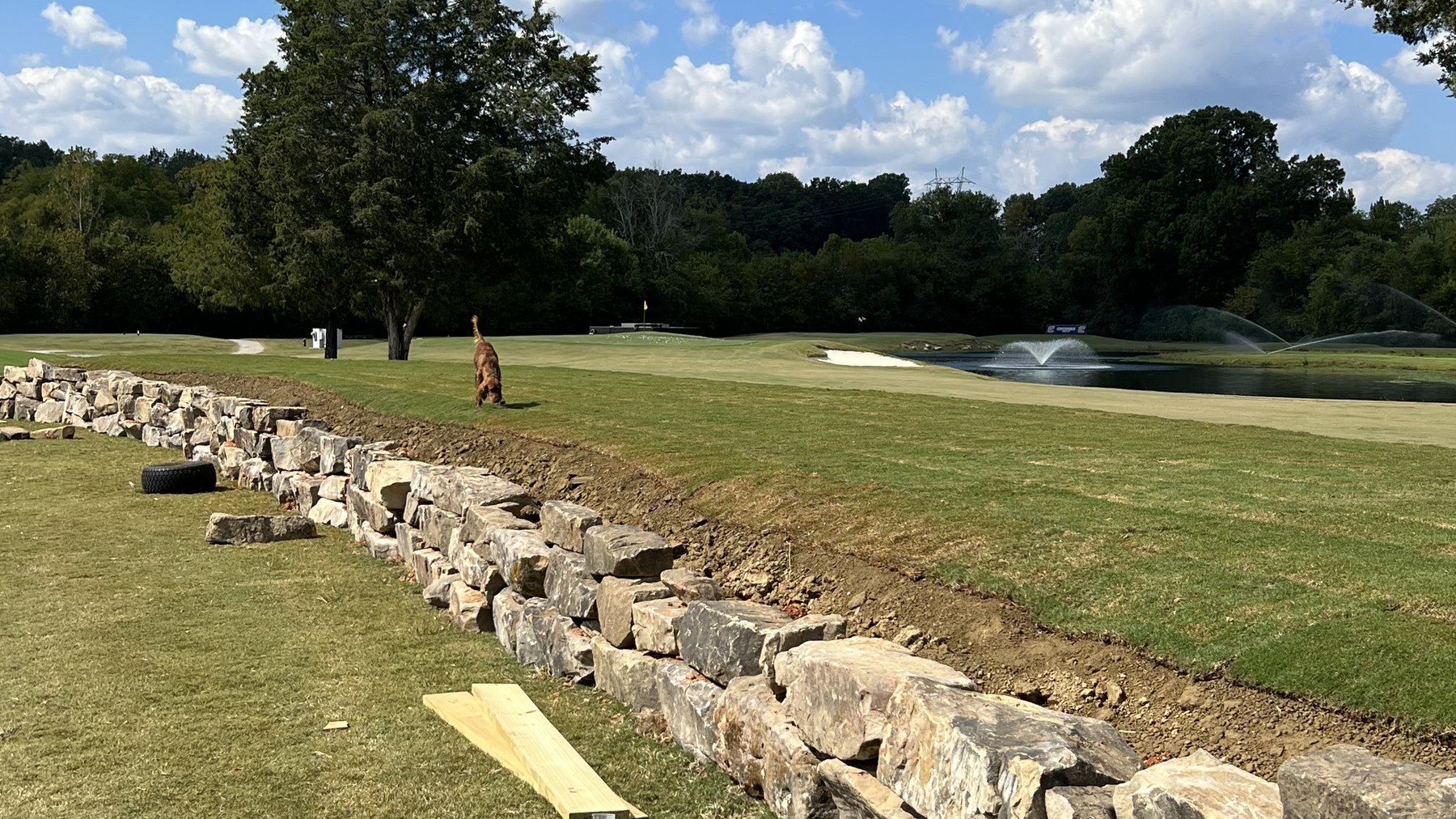
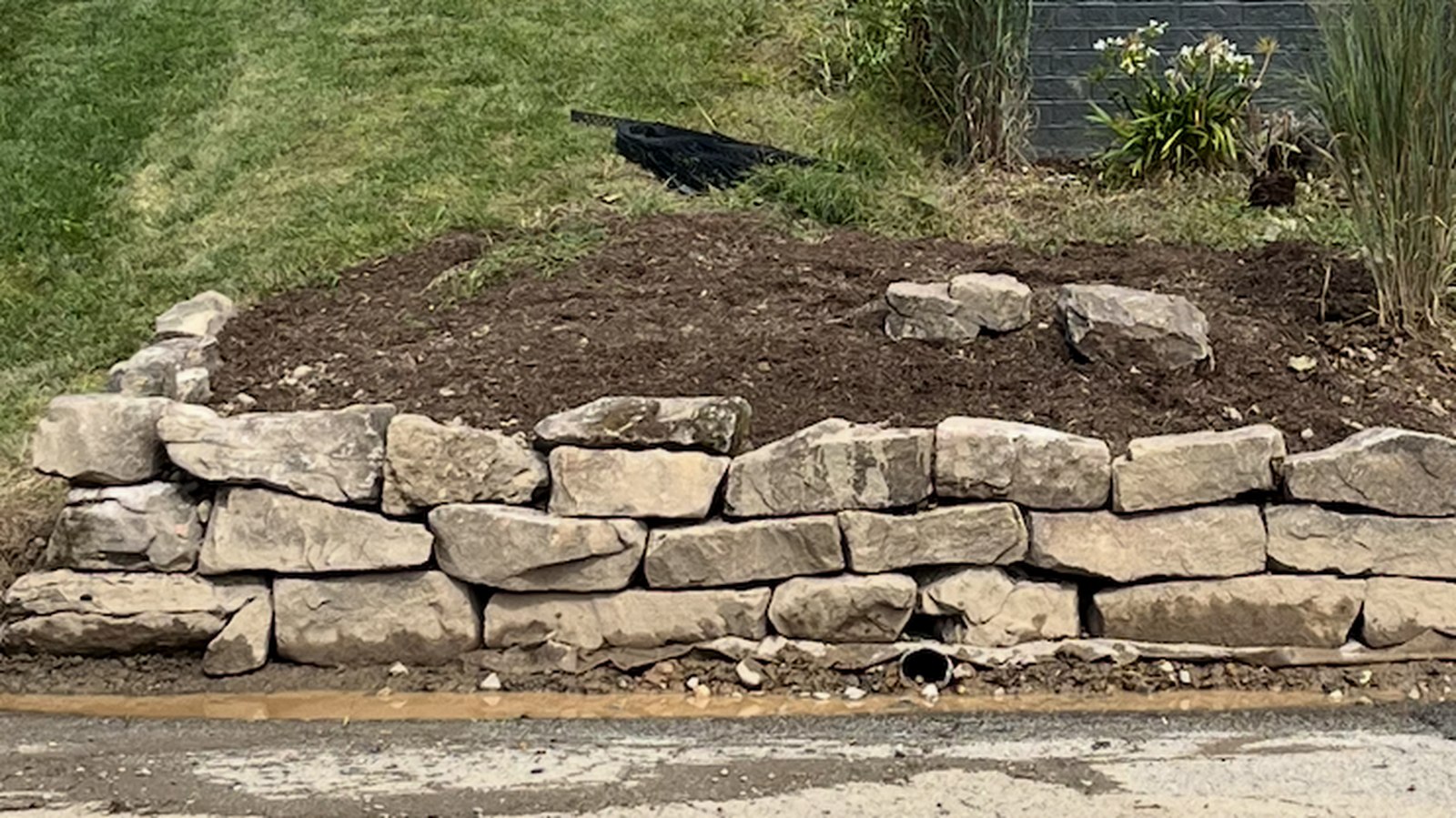
Low dry-stacked stone that lifts a bed out of the flat and gives it a real edge. Set by hand on a proper base so it stays put and stays level.
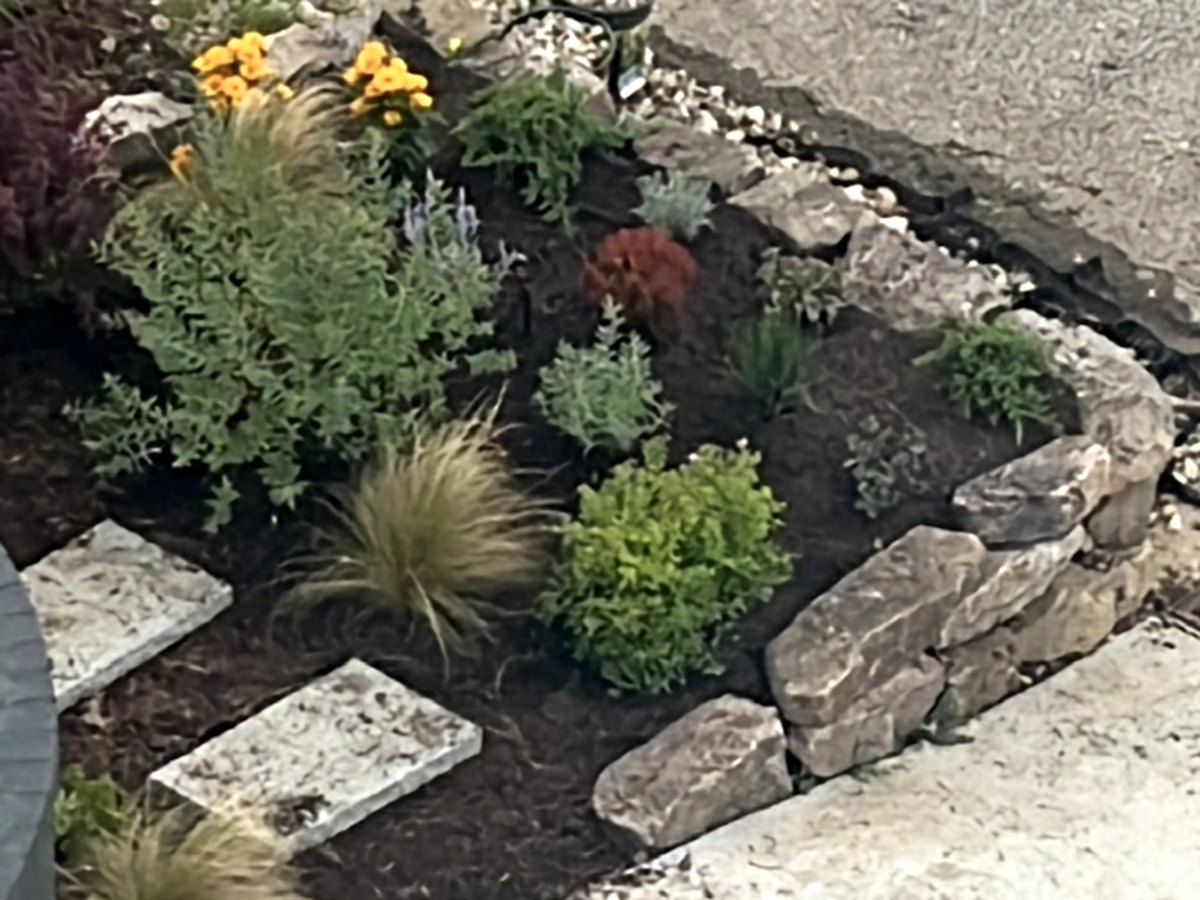
A stone border holds a clean bed line, keeps mulch out of the grass, and gives the mower something honest to follow. It's the detail that makes a yard look finished.
Stone steps and set pavers through beds and across grades, laid level and spaced to a natural stride.
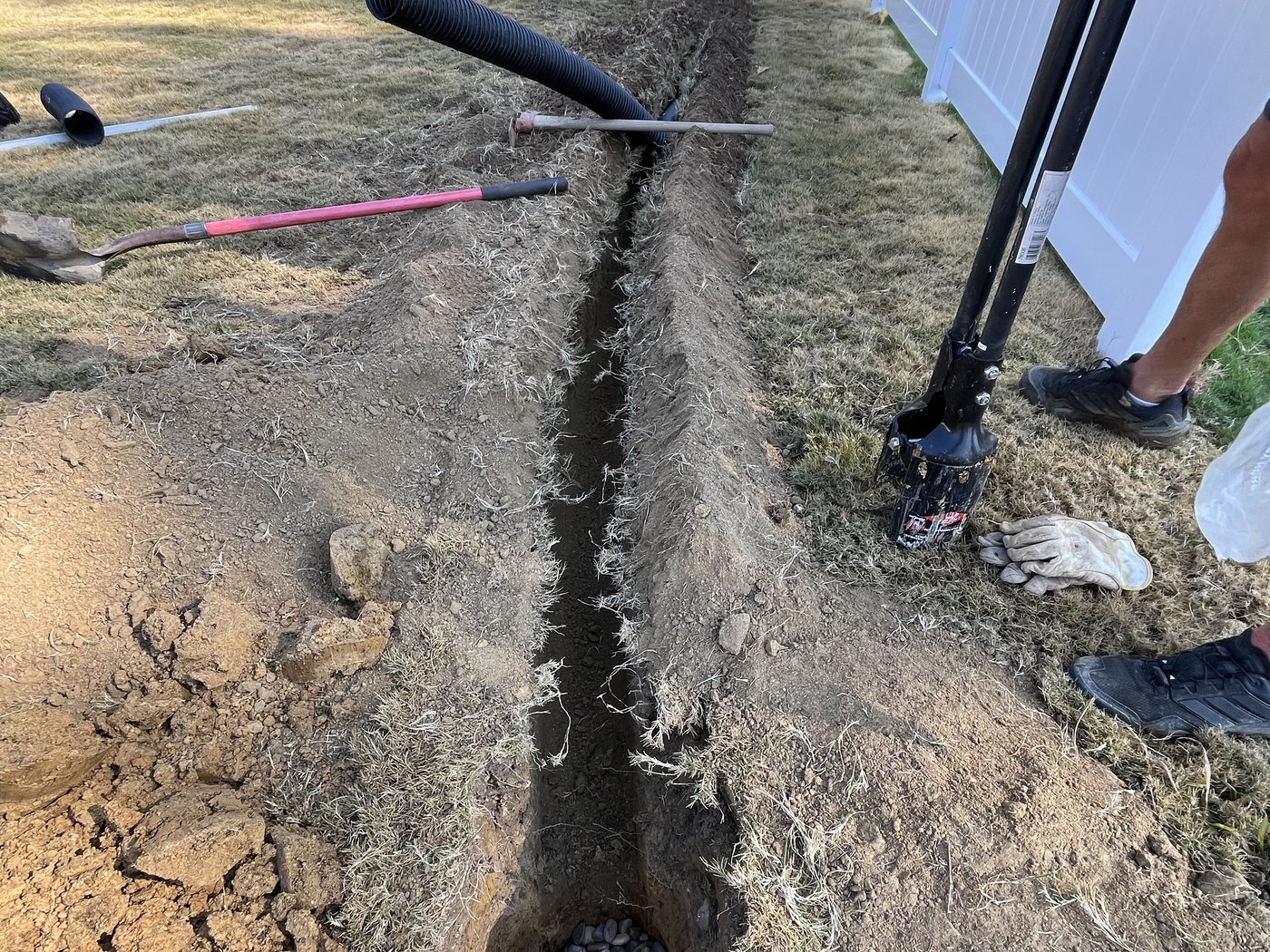
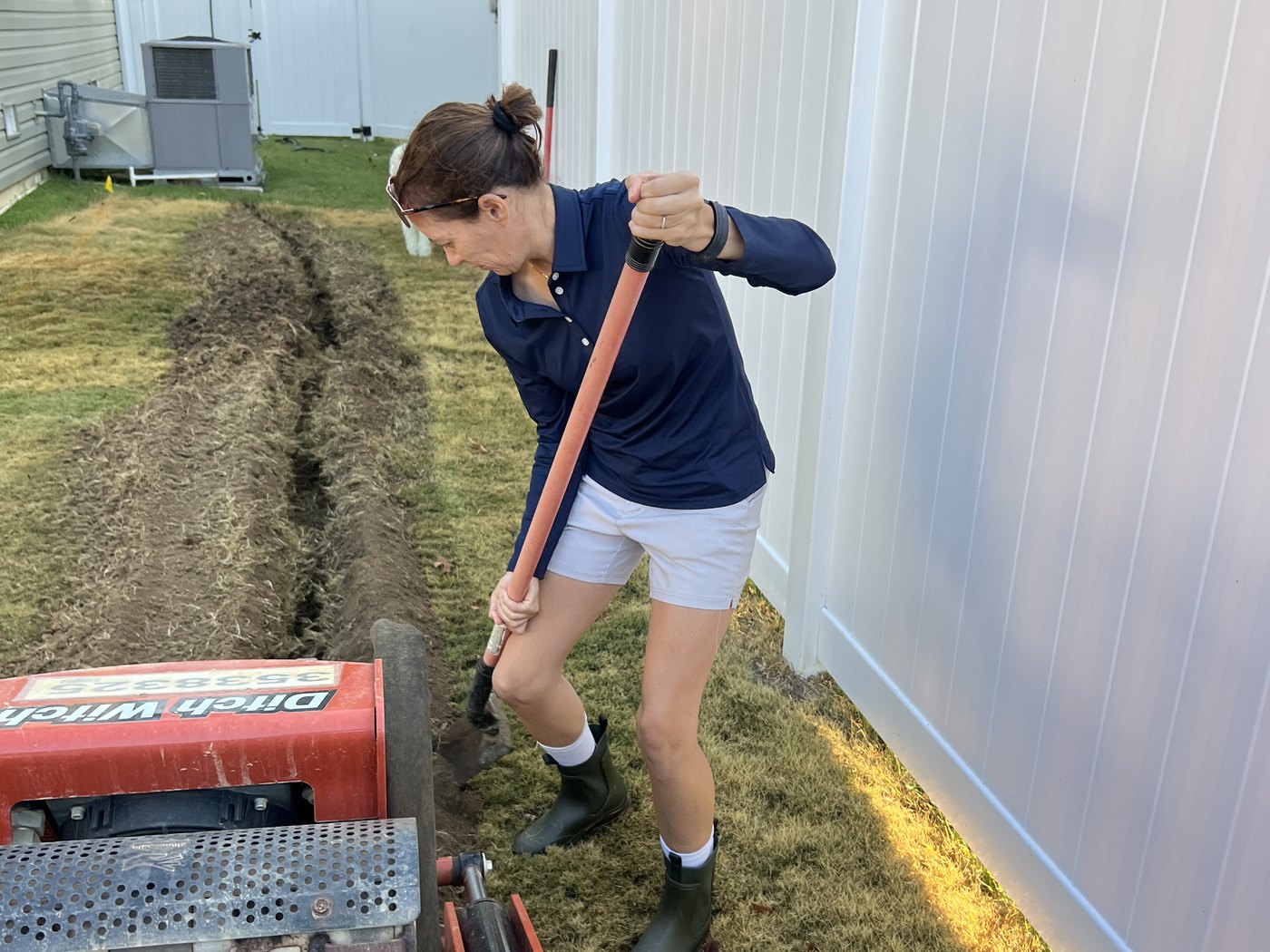
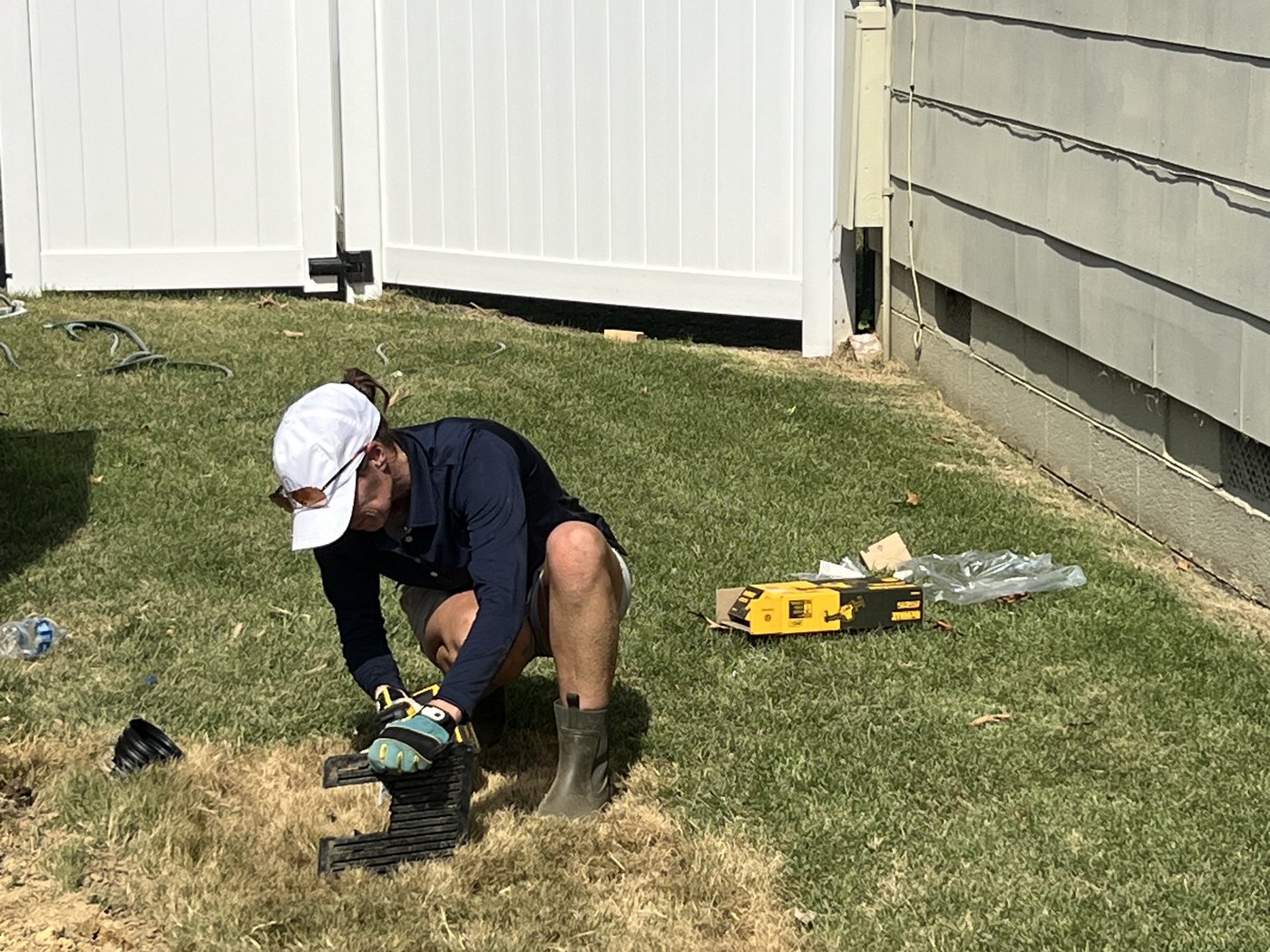
Trenched French drains, perforated pipe in gravel, catch basins at the low spots, and an outlet that actually carries water away. On Chattanooga clay this is often the real problem behind a lawn that will not grow.
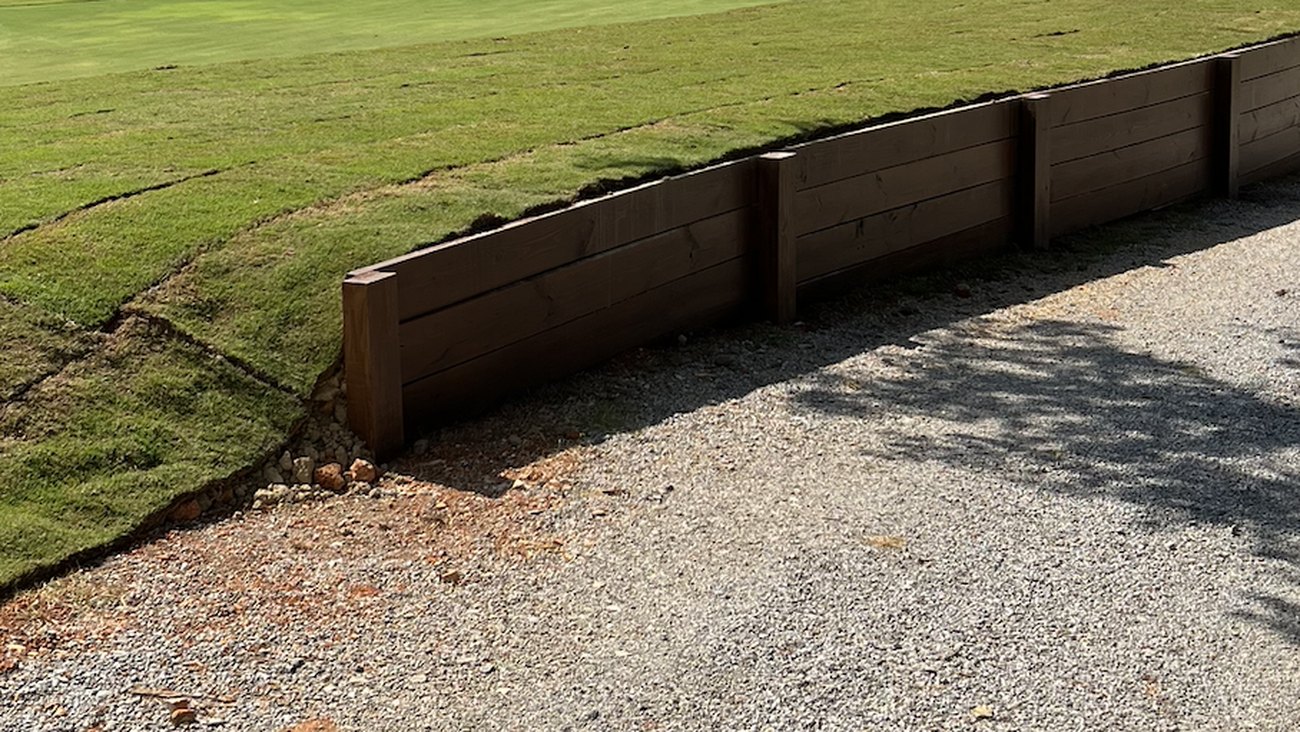
Using stone to catch a gentle grade and turn an awkward slope into a planting bed, rather than fighting the ground you've got.
Layout, plant selection and installation: grasses, perennials and shrubs chosen for the light and soil they'll actually live in.
Most jobs are both crafts at once: the stone sets the bed line, the bed line sets the lawn. Planned together, they look like they were always there.
We build garden and bed walls, not engineered retaining structures. If you need something holding back a hillside, that's an engineer's job. Tell us and we'll say so.
Who you're hiring
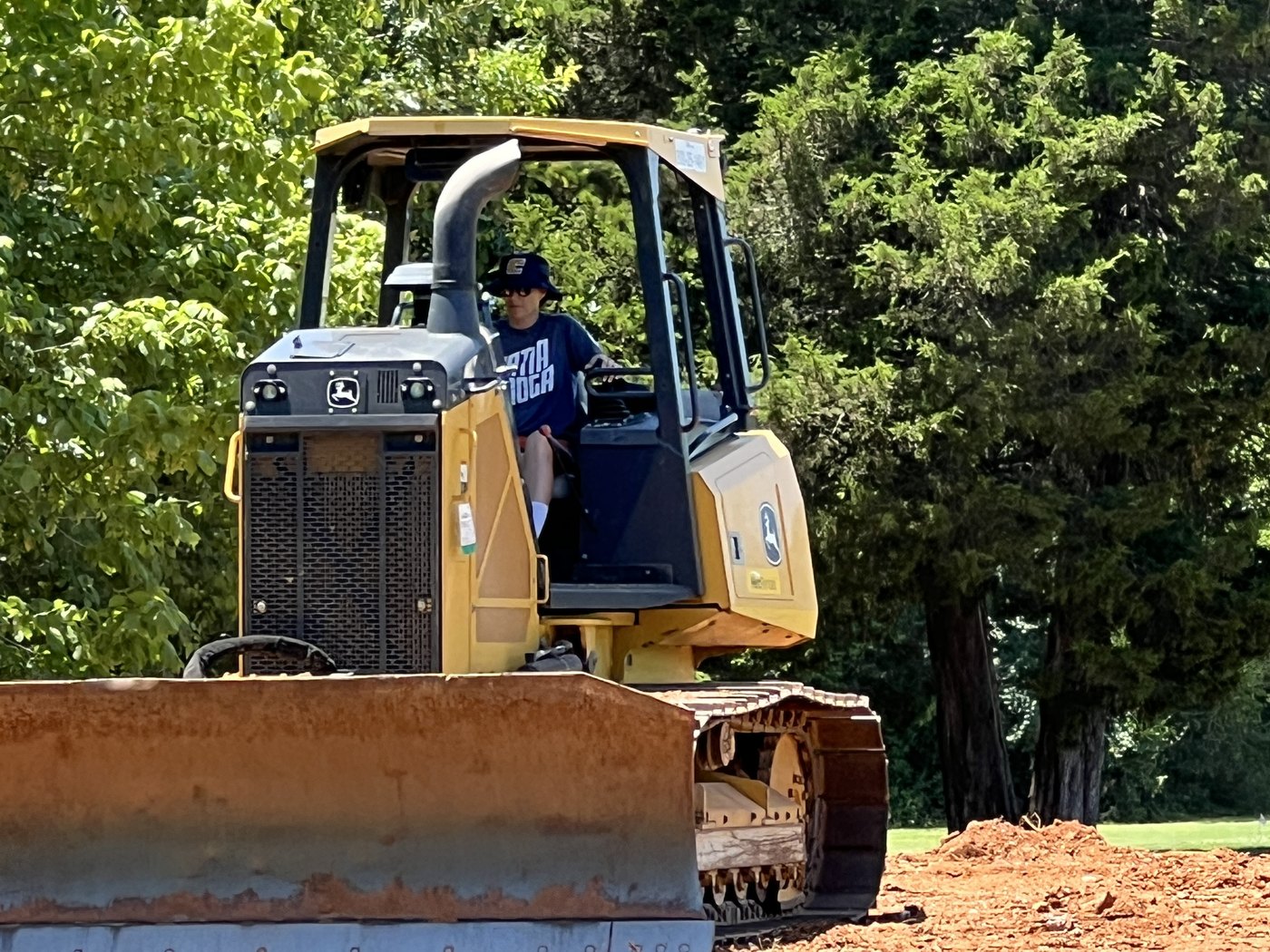
Most lawn companies are run by people who bought a mower. This one is run by a golf course superintendent and a designer who builds walls, and they both work the jobs themselves. Between them they have taken on everything from a back yard to a college golf practice facility.
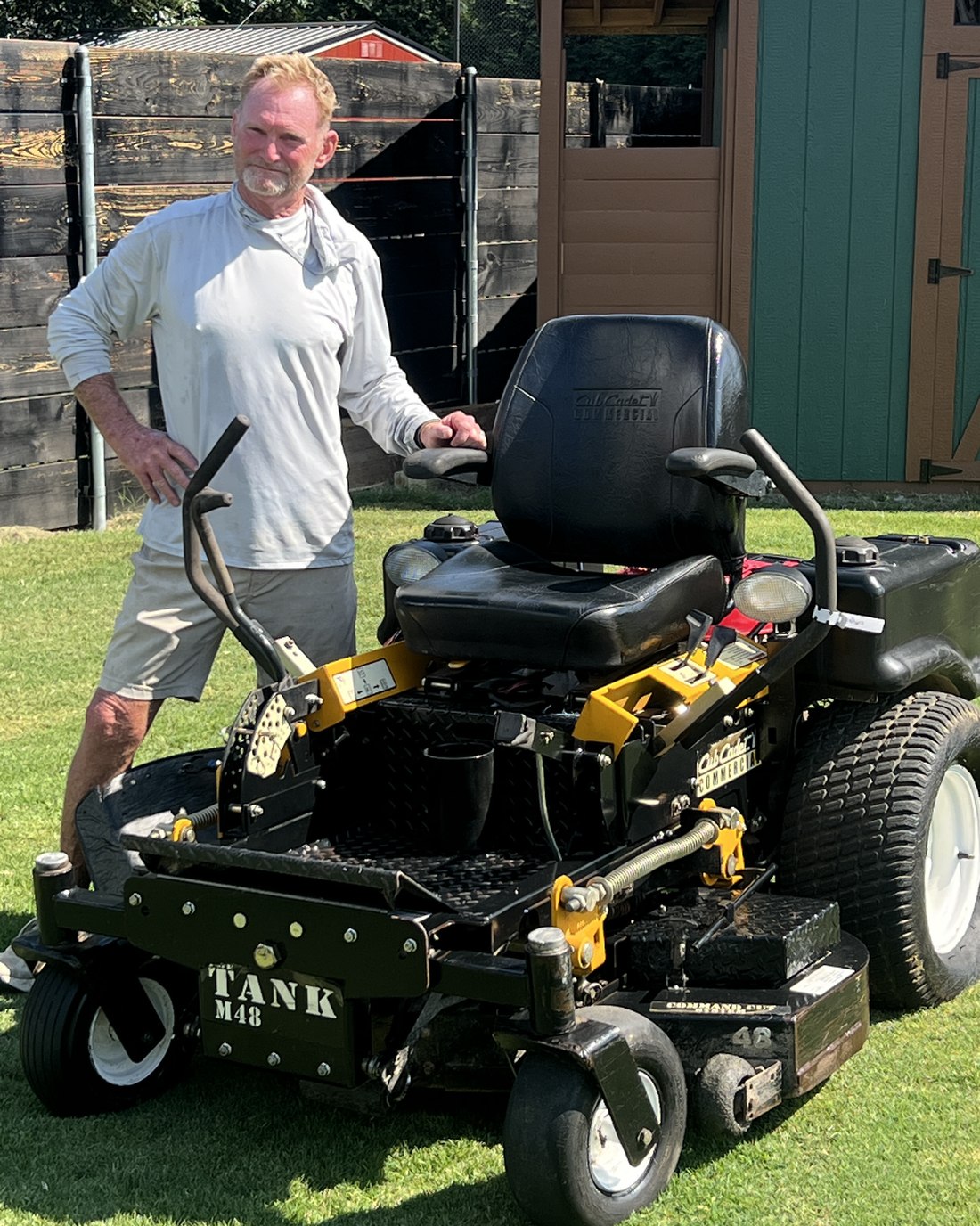
Head Agronomist
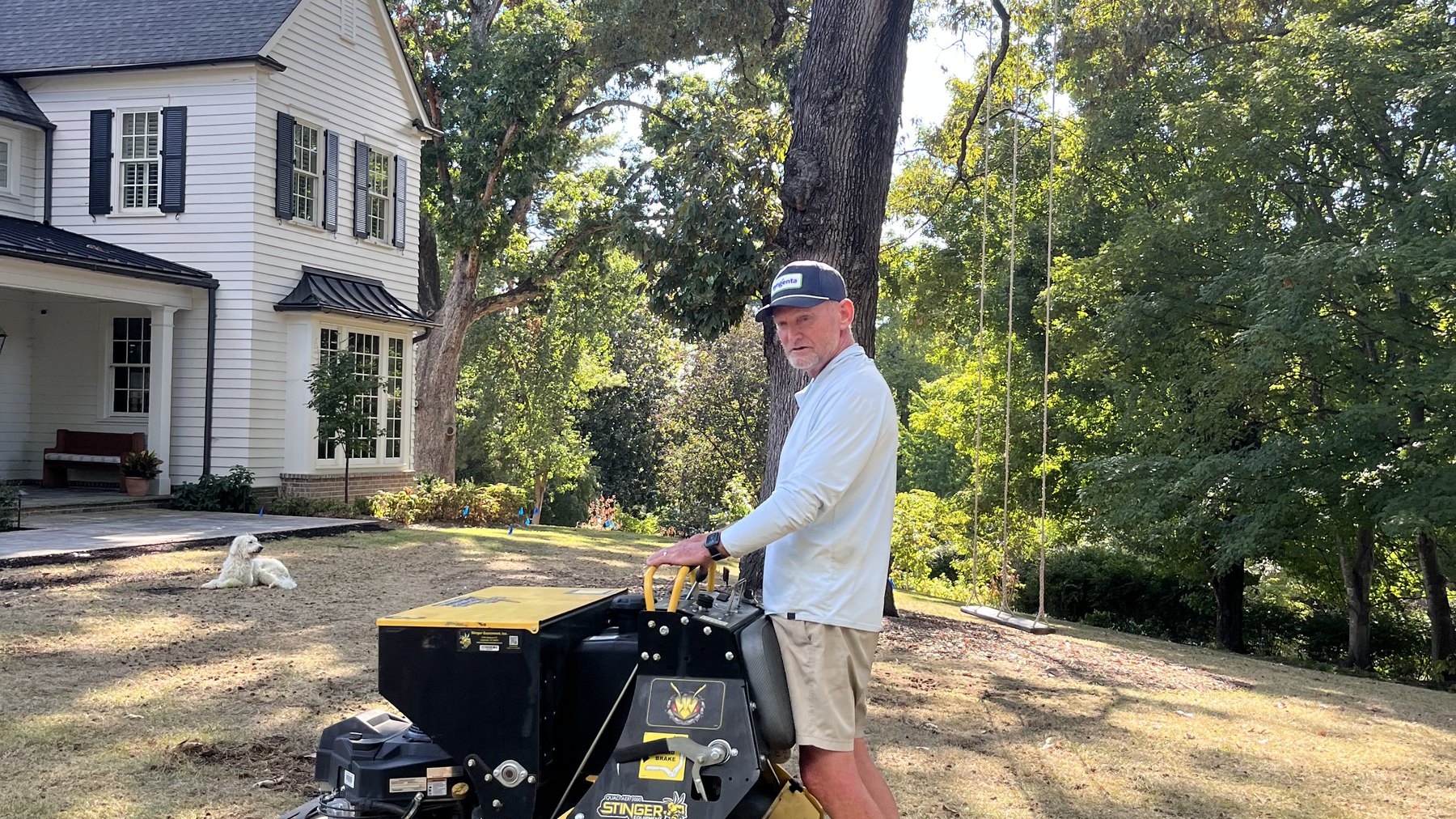
Thirty-plus years as a Head Golf Course Superintendent in the Chattanooga area. Greens, fairways, drainage, disease pressure, soil chemistry, turfgrass at the level where one bad week is visible to a few hundred people. Maintenance through full renovation, he has done all of it.
He is a tireless worker with an eye for grass we have never seen matched. He can read a lawn walking across it: what it has been fed, what is stressing it, what it will look like in six weeks if nothing changes. That is three decades of pattern recognition, and it is not something you can buy in a bag.
He keeps three different grasses growing in his own yard, for no reason other than that he likes them. That is the part that tells you everything.
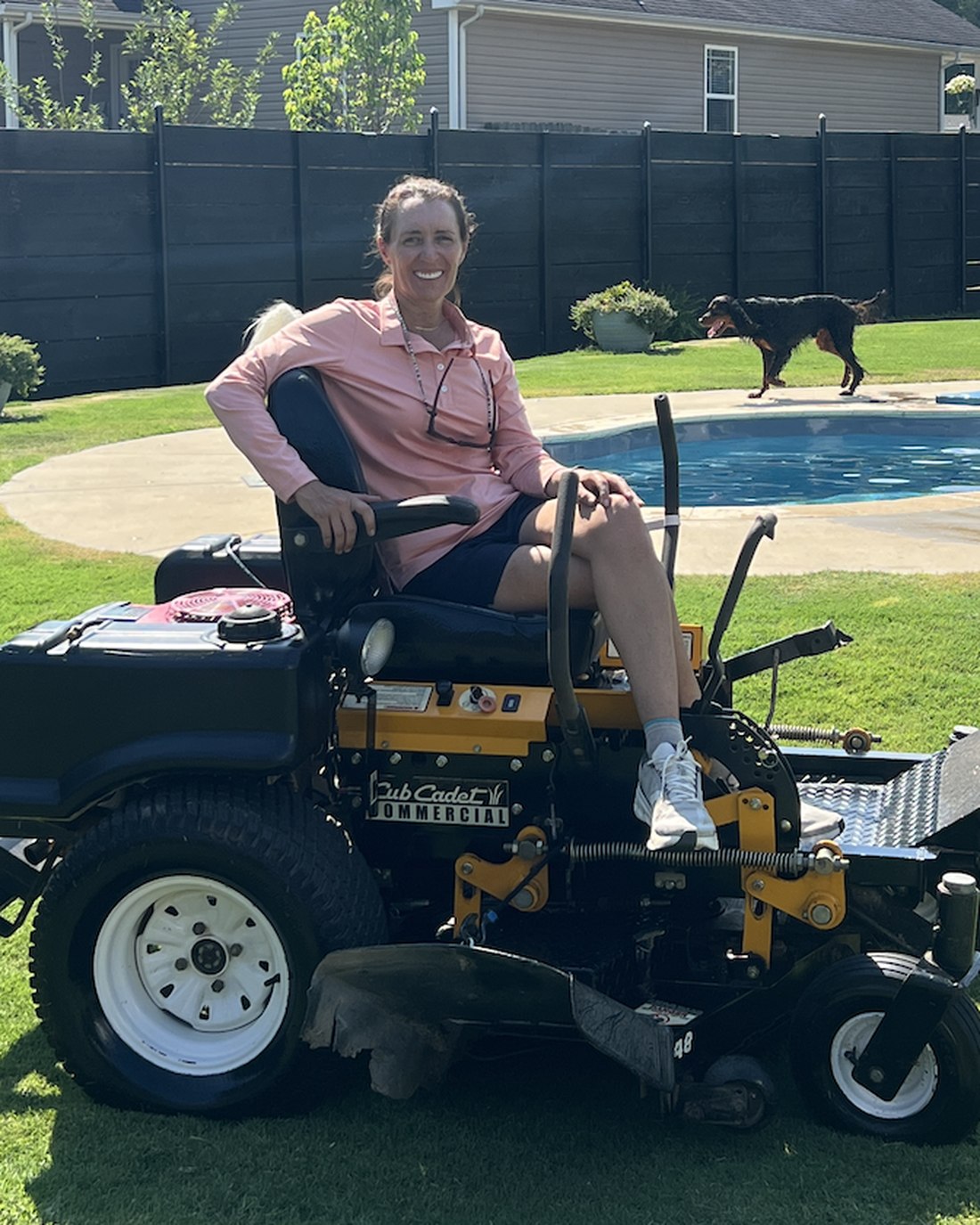
Owner & Designer
Colette runs the business: the clients, the books, the scheduling, the promises we make. She's also the one who decides what a property is going to become: the walls, the bed lines, the way the stone and the grass work against each other. The plans start with her.
And she's on the job with a shovel in her hands. She came up through the turf side as Chip's apprentice in the field and is still learning it from him, which is a fair trade, because the design eye runs the other direction.
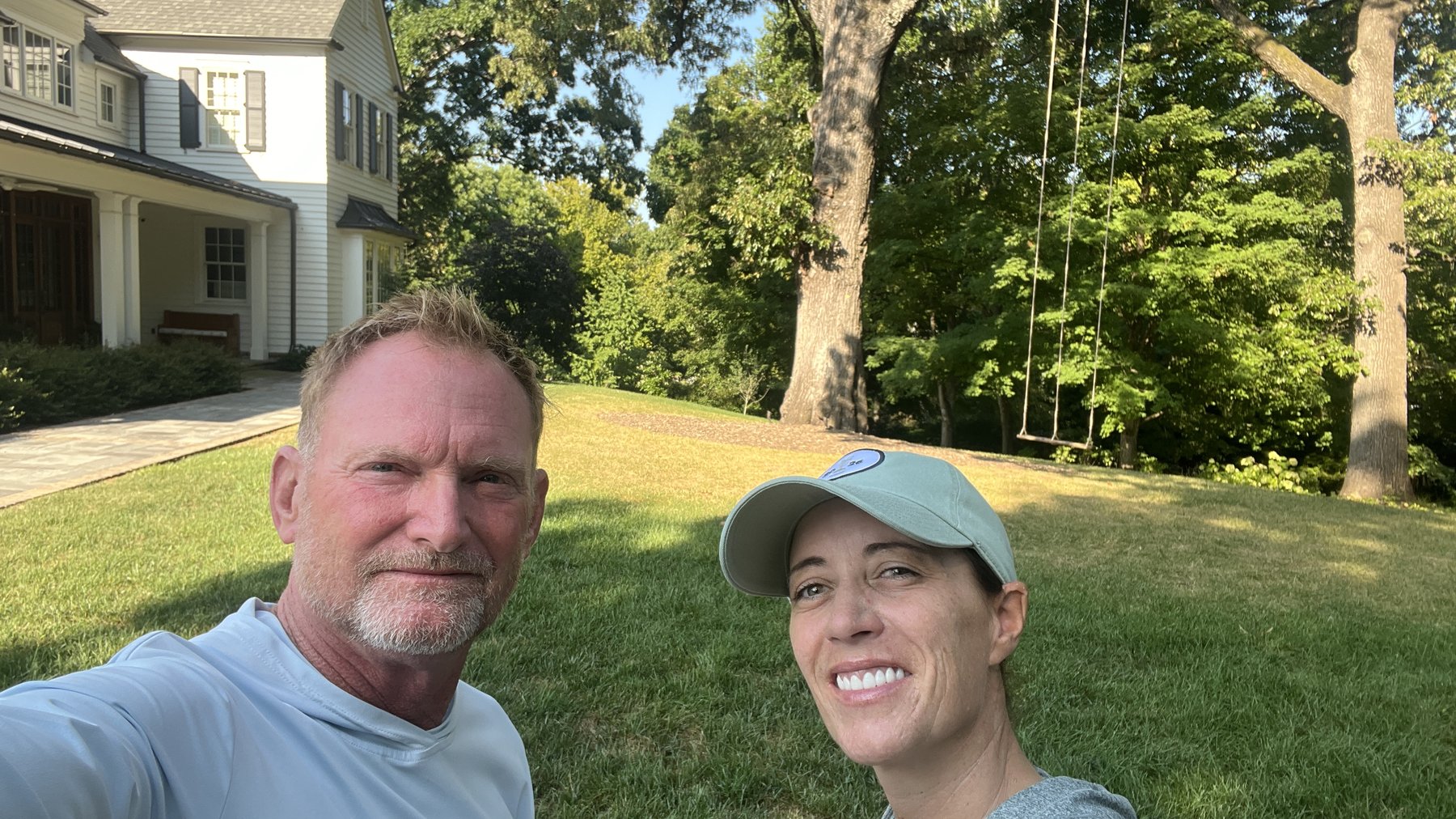
She and Chip met in 2021 and started collaborating on turf projects. They've been finishing each other's jobs ever since.
The roll of sod in the sunglasses is Turfie. He does not lay much sod, but he sets the tone.
Get a quote
Estimates are free and we'll walk the property with you. We serve the greater Chattanooga area. Yards, commercial properties and course work all welcome.
Not sure if you're in range? Call and ask, (423) 208-6015.